A Mediterranean Town That Preserves Its Soul
Estepona’s Old Town is one of the Costa del Sol’s most authentic and lovingly preserved historic centers. While many coastal towns have transformed rapidly over recent decades, Estepona has chosen a different path – one that values identity, tradition, and quality of life. Walking through its old quarter feels like stepping into a living Andalusian postcard, where whitewashed facades, colorful flowerpots, and quiet squares coexist with a vibrant local rhythm. The Old Town is not a museum frozen in time, but a place where daily life unfolds naturally among centuries-old streets.
The Transformation of Estepona’s Historic Center
Over the past decade, Estepona’s Old Town has undergone a thoughtful revitalization that respects its heritage while improving livability. Streets once dominated by traffic have been pedestrianized, facades restored, and public spaces redesigned with care. This transformation has turned the historic center into a place where residents linger, visitors explore at a relaxed pace, and small businesses thrive. Rather than erasing the past, the town has polished it, allowing traditional architecture and modern comforts to exist side by side.
Calle Terraza as the Gateway to the Old Town
One of the main arteries leading into Estepona’s Old Town is Calle Terraza. This lively pedestrian street acts as a natural transition between the modern town and the historic quarter. Lined with cafés, local shops, and bakeries, Calle Terraza offers a glimpse into everyday life before narrowing into smaller streets that feel distinctly Andalusian. It is here that many visitors sense the shift in atmosphere, as modern storefronts give way to white façades adorned with bright geraniums.
Plaza de las Flores and the Heart of Local Life
At the center of Estepona’s Old Town lies Plaza de las Flores, one of the most photographed and beloved squares in the area. The plaza is dominated by orange trees, colorful planters, and traditional lampposts, creating a setting that feels both elegant and welcoming. Locals gather here for coffee, conversation, and a moment of rest, while visitors pause to admire the surrounding architecture. The square embodies the spirit of Estepona—unhurried, friendly, and deeply rooted in Andalusian tradition.
White Streets and the Poetry of Flower Pots
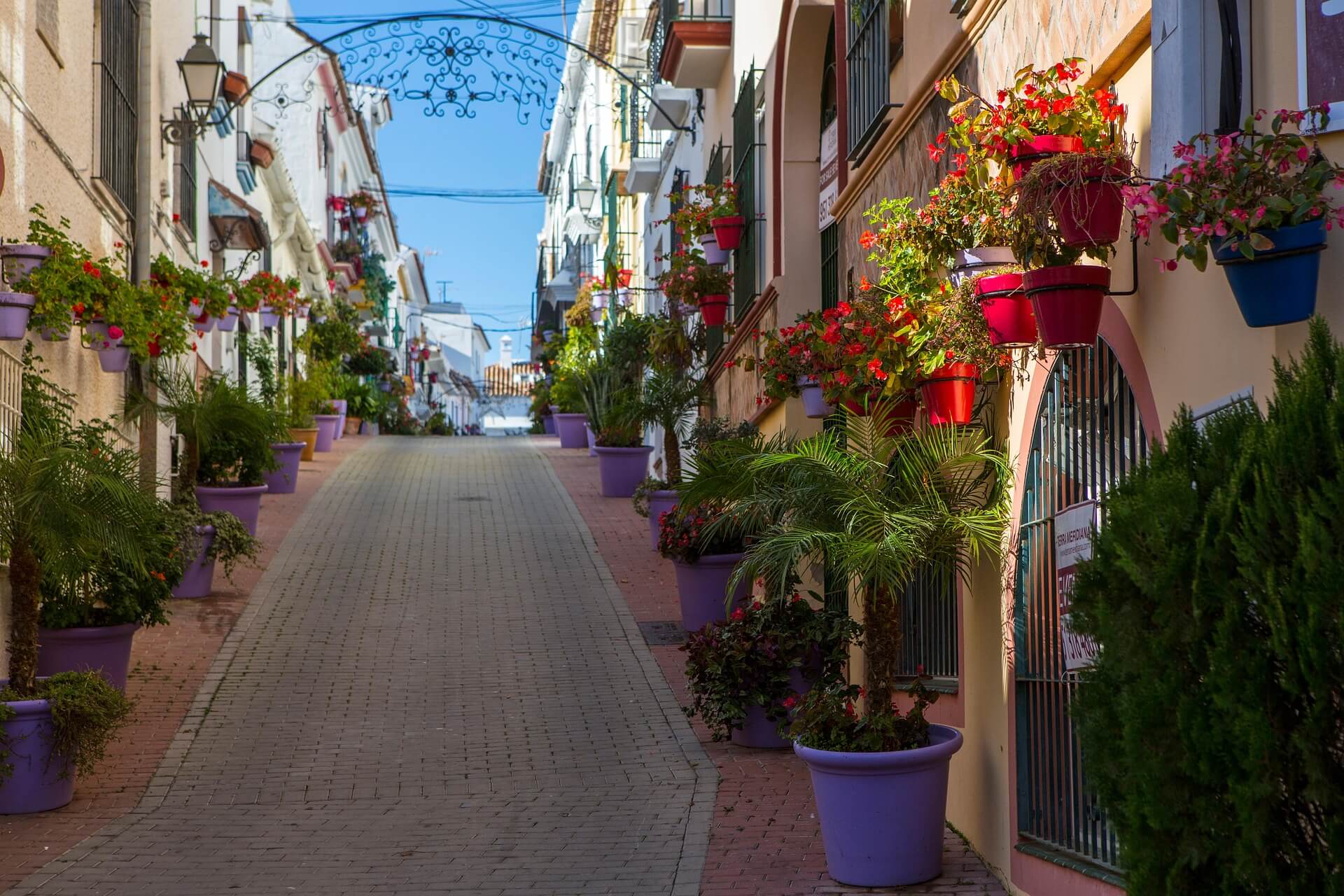
Estepona’s Old Town is famous for its flower-lined streets, a defining feature that sets it apart from many other coastal destinations. Thousands of ceramic pots filled with geraniums, petunias, and bougainvillea decorate walls and balconies throughout the historic quarter. Streets such as Calle San Antonio, Calle Villa, and Calle Santa Ana are particularly striking, with bursts of color contrasting against the whitewashed walls. These flowers are not decorative afterthoughts but a symbol of local pride, carefully maintained by residents and the municipality alike.
The Ruta de los Murales and Art in Everyday Spaces
One of Estepona’s most distinctive cultural initiatives is the Ruta de los Murales, a series of large-scale outdoor artworks painted on residential buildings throughout the town, including several within or near the Old Town. These murals transform everyday spaces into open-air galleries, depicting scenes of local life, history, and imagination. Unlike street art found in many cities, Estepona’s murals are curated and integrated into the urban fabric, adding cultural depth without overwhelming the historic character of the area.
Plaza del Reloj and a Sense of Timelessness
Tucked away among narrow streets, Plaza del Reloj is one of Estepona’s most charming hidden squares. Named after the clock tower that rises above it, the plaza offers a peaceful retreat from busier areas. Benches shaded by trees invite quiet reflection, while nearby cafés provide a relaxed setting for conversation. The square feels almost timeless, capturing the slower pace of life that defines Estepona’s Old Town and appeals so strongly to those seeking authenticity.
Castillo de San Luis and Estepona’s Historic Roots
The remains of the Castillo de San Luis provide a tangible connection to Estepona’s past. Originally part of a defensive structure dating back to the 16th century, the castle’s surviving tower stands as a reminder of the town’s strategic importance along the coast. While much of the original fortification has been lost over time, the preserved elements blend seamlessly into the surrounding streets, offering historical context without dominating the modern townscape.
Iglesia de Nuestra Señora de los Remedios
One of the most significant religious landmarks in Estepona’s Old Town is the Iglesia de Nuestra Señora de los Remedios. Located near Plaza San Francisco, this church plays an important role in the town’s spiritual and cultural life. Its simple yet elegant exterior reflects traditional Andalusian design, while the interior provides a serene atmosphere for worship and reflection. During religious celebrations and local festivities, the church becomes a focal point for the community.
Casa de las Tejerinas and Cultural Expression
Culture finds a home in the Casa de las Tejerinas, a restored historic building situated near Plaza de las Flores. Today, it serves as an exhibition space for art, photography, and cultural events. The building itself is part of the attraction, combining traditional architecture with contemporary use. Exhibitions rotate regularly, offering visitors an opportunity to experience local and international creativity within a historic setting that remains firmly rooted in Estepona’s identity.
Museo Arqueológico and Layers of History
For those interested in the deeper history of the region, the Museo Arqueológico de Estepona offers valuable insight. Housed in a historic building within the Old Town, the museum showcases artifacts from prehistoric times through Roman and Moorish periods. The collection highlights Estepona’s long human presence and its role within broader Mediterranean history. Visiting the museum adds depth to a stroll through the Old Town, enriching the visual experience with historical context.
Local Gastronomy and Traditional Flavors
Food is an essential part of Estepona’s Old Town charm. Traditional restaurants and family-run eateries serve Andalusian classics that reflect the town’s coastal location and agricultural heritage. Fresh fish, local olive oil, and seasonal produce dominate menus, while tapas culture encourages sharing and socializing. Dining in the Old Town often means sitting outdoors, surrounded by white walls and flowers, where meals stretch leisurely into the evening.
Estepona Orchidarium as a Contemporary Landmark
Although not located directly within the Old Town, the Estepona Orchidarium sits just a short walk away and has become one of the town’s modern icons. Its striking glass domes house thousands of orchid species and tropical plants, creating a dramatic contrast to the traditional architecture nearby. The Orchidarium represents Estepona’s commitment to combining innovation with respect for its surroundings, making it a natural extension of the Old Town experience.
Festivals and Traditions in the Old Town
Estepona’s Old Town comes alive during local festivals and celebrations. Events such as Semana Santa and the Feria de Estepona transform streets and squares into vibrant stages for processions, music, and communal gatherings. These traditions are deeply rooted in the Old Town, where narrow streets amplify the sound of drums and the scent of incense fills the air. Participating in these festivities offers visitors a rare opportunity to experience Andalusian culture from within.
A Walkable Town Designed for Discovery
One of the greatest pleasures of Estepona’s Old Town is its walkability. The compact layout encourages exploration without a plan, allowing visitors to wander freely and discover hidden corners. Every turn reveals something new—a small plaza, a decorative tile, a doorway framed by flowers. This sense of discovery is central to the Old Town’s appeal and explains why so many visitors return again and again.
The Connection Between Old Town and Sea
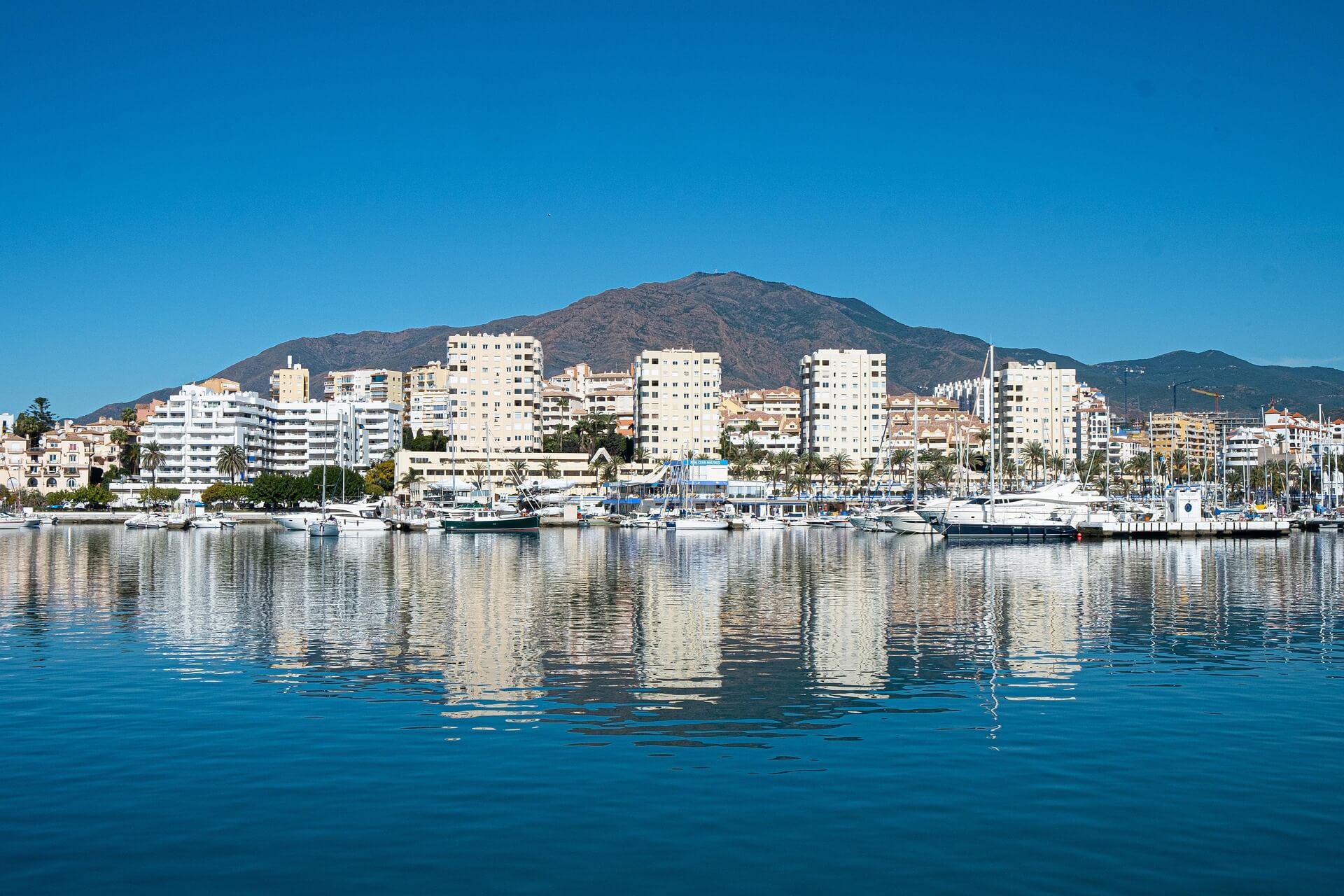
Unlike some historic centers that feel detached from the coastline, Estepona’s Old Town maintains a close relationship with the sea. A short walk leads to the Paseo Marítimo, where the Mediterranean stretches endlessly ahead. This proximity enhances the Old Town’s charm, allowing visitors to move seamlessly from historic streets to seaside promenades. The blend of maritime and urban life is one of Estepona’s defining characteristics.
Living Heritage Rather Than a Tourist Stage
What truly distinguishes Estepona’s Old Town is its authenticity. It remains a place where locals live, shop, and socialize, rather than a stage set for tourism alone. Small grocery stores, bakeries, and workshops coexist with cafés and galleries, creating a balanced ecosystem that feels genuine. This living heritage is carefully protected, ensuring that modernization never overshadows tradition.
Why Estepona’s Old Town Stands Out on the Costa del Sol
In a region known for resorts and rapid development, Estepona’s Old Town stands as a model of thoughtful preservation. Its success lies in respecting history while embracing the present, creating an environment that appeals to residents and visitors alike. The town proves that charm cannot be manufactured—it must be nurtured over time through care, community, and vision.
A Place That Invites You to Stay
Exploring Estepona’s Old Town is not about ticking landmarks off a list, but about slowing down and immersing yourself in its atmosphere. It invites you to linger, to sit in a shaded plaza, to follow the sound of conversation through narrow streets. Whether you visit for an afternoon or stay for years, the Old Town leaves a lasting impression—one defined by beauty, balance, and a deep sense of place.
Conclusion: The Timeless Appeal of Estepona
Estepona’s Old Town is a celebration of Andalusian life at its most authentic. Through careful preservation, vibrant community spirit, and an unwavering respect for tradition, it has become one of the Costa del Sol’s most captivating destinations. Its charm lies not in grand monuments but in the harmony of everyday life—white streets, blooming flowers, historic squares, and the gentle rhythm of the Mediterranean. For anyone seeking the true essence of southern Spain, Estepona’s Old Town offers an experience that feels both timeless and deeply alive.