A Different Kind of Zoo on the Costa del Sol
Bioparc Fuengirola is far more than a traditional zoo. Located in the heart of Fuengirola, just a short walk from the beach and the town centre, it has earned a reputation as one of the most innovative wildlife parks in southern Spain. What makes it stand out is its guiding philosophy of immersive zoo design, where the focus is not on displaying animals in simple enclosures but on recreating complex natural habitats that allow visitors to feel as if they are stepping into the animals’ world.
For families, couples, and curious travellers, Bioparc Fuengirola offers an experience that combines education, conservation, and atmosphere in a compact but carefully designed setting. It is one of those rare attractions that appeals equally to children seeing exotic species for the first time and adults who appreciate thoughtful design and a more respectful way of presenting wildlife. In a region better known for beaches, golf, and marinas, Bioparc Fuengirola adds an entirely different dimension to a stay on the Costa del Sol.
The Story Behind Bioparc Fuengirola
The site originally operated as Fuengirola Zoo, but it was completely transformed in the early 2000s into what is now Bioparc Fuengirola. That transformation was not just cosmetic. It reflected a profound shift in how zoological parks should function in the modern world. Instead of prioritising spectacle, Bioparc embraced a model centred on habitat immersion, animal welfare, and conservation.
This new approach changed the entire visitor experience. Concrete enclosures and visible barriers gave way to lush vegetation, waterfalls, natural materials, and discreet viewing points. The goal became to create environments that feel authentic to the ecosystems being represented, while still allowing people to observe animals in ways that are intimate, respectful, and engaging. This philosophy has become the defining feature of Bioparc Fuengirola and one of the reasons it is so highly regarded.
A Compact Park with Remarkable Atmosphere
One of the most surprising things about Bioparc Fuengirola is that it is not enormous, yet it feels rich, layered, and immersive. Many visitors expect a quick walk-through and end up staying far longer because the environment encourages slow exploration. Dense vegetation, winding paths, shaded walkways, wooden bridges, and carefully placed viewpoints create the sensation of moving through different ecosystems rather than simply walking around a zoo.
Its manageable size is actually one of its strengths. Families with young children do not have to worry about exhausting distances, and visitors can comfortably spend half a day there without feeling rushed. It is easy to combine with a wider day in Fuengirola, perhaps with lunch in town or a stroll along the promenade afterward. The park’s urban location also makes it unusually accessible, especially for travellers staying anywhere between Málaga and Marbella.
Habitat Immersion and Why It Matters
The concept of habitat immersion is central to understanding what makes Bioparc Fuengirola special. Instead of placing animals in clearly separated spaces, the park is designed so that visitors enter environments that evoke tropical forests, islands, and wetlands. The landscapes are detailed and theatrical, but not artificial in a superficial sense. They are meant to reduce the visual dominance of the human visitor and create a stronger emotional connection with the animals and their habitats.
This matters because the way people see animals shapes the way they think about wildlife. A tiger behind a metal fence sends a very different message from an endangered species seen moving through dense vegetation in a setting that resembles its natural world. Bioparc Fuengirola understands that conservation begins with empathy and attention. When visitors feel transported into another ecosystem, they are more likely to understand what is at stake when those ecosystems are threatened.
Species That Draw Visitors In
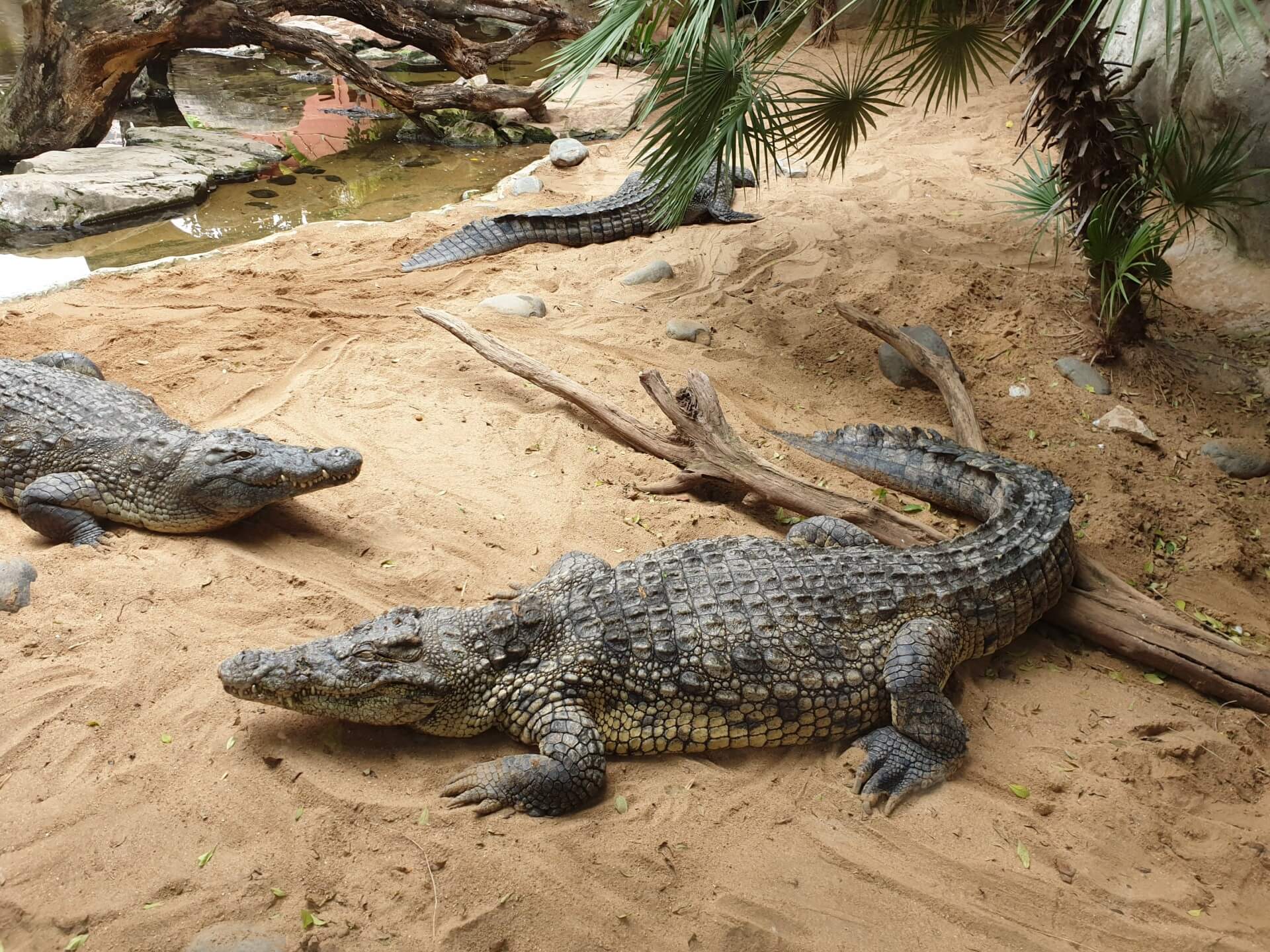
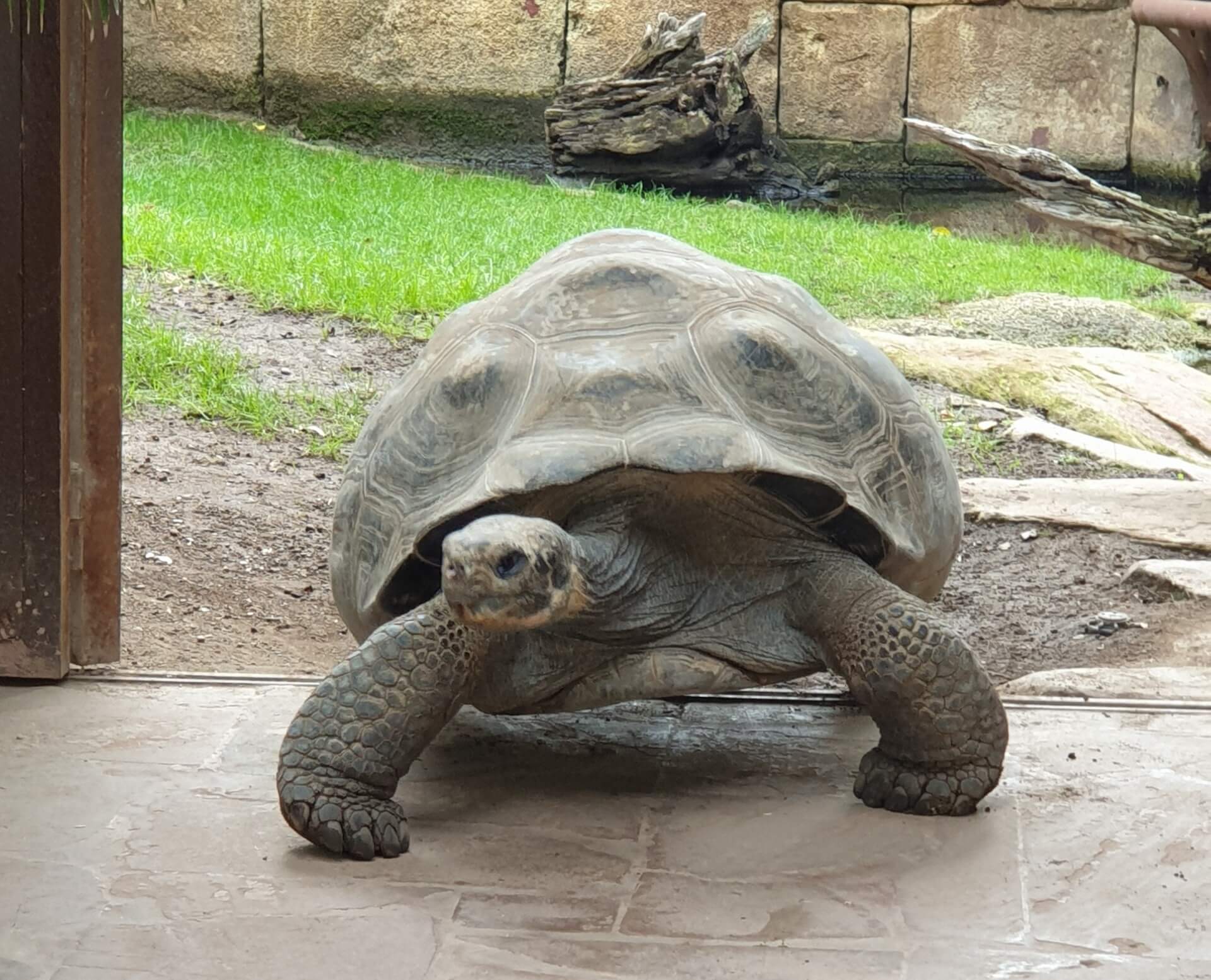
Bioparc Fuengirola is home to a fascinating collection of species, many of them associated with tropical forests and threatened habitats. Among the animals that often capture the most attention are the orangutans, gorillas, chimpanzees, Sumatran tigers, crocodiles, lemurs, and a wide variety of birds, reptiles, and smaller mammals. These are not simply headline animals chosen for popularity, but part of a broader narrative about biodiversity and endangered ecosystems.
The great apes are particularly compelling because of the emotional reactions they provoke. Watching an orangutan move slowly through its environment or seeing a gorilla family interact can be an unforgettable experience. The tigers, by contrast, bring a different kind of energy, combining beauty, power, and quiet intensity. Lemurs add playfulness, while reptiles and amphibians reveal the extraordinary diversity of life forms that often go unnoticed in more conventional wildlife attractions.
Because the park is designed for immersion, encounters with these animals often feel surprisingly close and immediate. Visitors may turn a corner and suddenly find themselves face to face with a tiger through a carefully positioned glass panel, or stop on a shaded path to observe primates moving above them. This sense of discovery gives the visit a rhythm that feels more like exploration than passive viewing.
A Strong Focus on Conservation
Bioparc Fuengirola positions itself not just as a place of entertainment but as an institution with a serious conservation mission. This is increasingly important in a world where zoos are expected to justify their existence through education, habitat protection, breeding programmes, and support for endangered species. Bioparc’s identity is deeply tied to this broader purpose.
Conservation at the park operates on several levels. There is the direct care and management of species within the facility, often including participation in breeding programmes for endangered animals. There is also a strong educational dimension, helping visitors understand the threats facing tropical ecosystems, deforestation, poaching, and biodiversity loss. In addition, parks like Bioparc are often part of wider collaborative networks that support research and conservation efforts beyond their own walls.
For visitors, this means the park can be enjoyed as a leisure attraction while also offering something more meaningful. It encourages reflection about humanity’s relationship with nature and about what responsible tourism and environmental awareness should look like in the 21st century.
An Ideal Attraction for Families
Bioparc Fuengirola is especially popular with families, and with good reason. It is visually stimulating without being overwhelming, educational without being dry, and compact enough to be comfortable with children. The pathways are easy to navigate, the atmosphere is shaded and pleasant for much of the year, and the animals are presented in ways that genuinely hold a child’s attention.
Unlike some large theme-based attractions, Bioparc does not depend on noise or spectacle to create excitement. The appeal comes from the environment itself, from the feeling of discovery, and from the chance to see remarkable animals in thoughtfully designed spaces. This can be especially valuable for families who want an outing that feels enriching as well as enjoyable.
Children are often drawn to the immediate visual drama of the park, from hanging bridges and waterfalls to reptiles, monkeys, and jungle-like pathways. Adults, meanwhile, tend to appreciate the quality of the landscaping, the ethical ambition of the concept, and the overall sense of calm. It is one of those attractions where different generations can enjoy the same visit for different reasons.
A Welcome Escape in Every Season

One of the advantages of Bioparc Fuengirola is that it works well throughout much of the year. In summer, the dense planting and shaded areas make it more comfortable than many open-air attractions, especially if visited in the morning or later in the afternoon. In spring and autumn, it is particularly pleasant, with warm weather and fewer crowds. Even in winter, the Costa del Sol climate often makes outdoor visits perfectly feasible.
This seasonal flexibility makes the park a reliable option for visitors planning family holidays outside the peak summer months. It also means that Bioparc is not only a one-off tourist stop but a place that local residents and repeat visitors may return to more than once. The atmosphere changes subtly depending on the light, the season, and the behaviour of the animals, so repeat visits can feel rewarding rather than repetitive.
Fuengirola Beyond the Bioparc
Another reason Bioparc Fuengirola works so well as a day out is its location within Fuengirola itself. The town is one of the most family-friendly destinations on the Costa del Sol, with a long seafront promenade, wide beaches, easy transport connections, and plenty of places to eat. A visit to Bioparc can easily be combined with a walk through town, lunch at a nearby restaurant, or some time by the sea.
Its central location also makes it simple to reach by train if you are staying in Málaga, Torremolinos, Benalmádena, or other points along the Cercanías line. For visitors who do not want to rent a car, that accessibility is a major advantage. You can arrive in Fuengirola, visit the park, and enjoy the rest of the town on foot. This makes the whole experience feel relaxed and practical rather than logistically complicated.
Why It Appeals to Adults Too
Although Bioparc Fuengirola is often recommended for families, it should not be seen only as a children’s attraction. Adults without children often enjoy it just as much, particularly if they are interested in nature, photography, conservation, or thoughtful design. The park’s compact elegance, rich vegetation, and slower pace create a different kind of outing from the more overtly commercial attractions found elsewhere on the coast.
For couples, it can be a surprisingly atmospheric place to explore together. For photographers, it offers a chance to capture animals and lush surroundings in a setting designed to feel visually cohesive. For travellers interested in sustainability and animal welfare, it offers a more modern model of what a zoological institution can be. In that sense, Bioparc Fuengirola has a broader appeal than its family-friendly reputation might initially suggest.
A Meaningful Experience on the Costa del Sol
The Costa del Sol offers many attractions, from marinas and beach clubs to mountain villages and museums, but Bioparc Fuengirola occupies a distinctive place among them. It is not simply another leisure stop or a way to fill a few hours. It offers a chance to engage with wildlife and environmental themes in a setting that has been designed with unusual care and imagination.
For travellers who want a break from the beach, for families looking for an outing that combines fun and learning, or for residents seeking an attraction with genuine depth, Bioparc Fuengirola is one of the strongest options in the region. It reflects a more contemporary and more thoughtful kind of tourism, one that values experience, education, and emotional connection over noise and excess.
What to Expect for Ticket Prices
Ticket prices at Bioparc Fuengirola vary depending on age, residency status, and whether tickets are purchased online in advance or at the entrance. At the time of writing, standard admission includes separate rates for adults, children, and seniors, while very young children may benefit from reduced or free entry. Seasonal promotions, family packages, and resident discounts can also apply, so it is always worth checking the official Bioparc Fuengirola website before visiting. Booking online is often the most convenient option and may also offer better prices than buying tickets on the day.
Conclusion: Why Bioparc Fuengirola Is Worth Visiting
Bioparc Fuengirola succeeds because it understands that modern travellers want more than just entertainment. They want places that feel distinctive, well-designed, and worthwhile. By combining habitat immersion, conservation values, strong visual identity, and a highly accessible location, the park has become one of the Costa del Sol’s standout attractions.
It offers a different way of encountering wildlife, one that feels closer, calmer, and more meaningful than many traditional zoos. Whether you are visiting Fuengirola for a family holiday, planning day trips along the coast, or simply looking for something memorable to do beyond the beach, Bioparc Fuengirola deserves a place on your itinerary. It is a tropical world in the middle of town, and one of the clearest examples of how the Costa del Sol continues to broaden its appeal far beyond sun and sand.